The Art of Layering: What Makes a Room Feel Finished
By Pamela Brown
Have you ever looked around a room and thought, “I like everything in here… so why doesn’t it feel finished?”
The furniture is beautiful. The paint color works. Maybe you’ve added a rug and hung some artwork. Nothing is necessarily wrong, but somehow the room still feels a little flat.
After years in interior design, I’ve learned that what’s missing often isn’t another piece of furniture or a new paint color.
It’s layers.
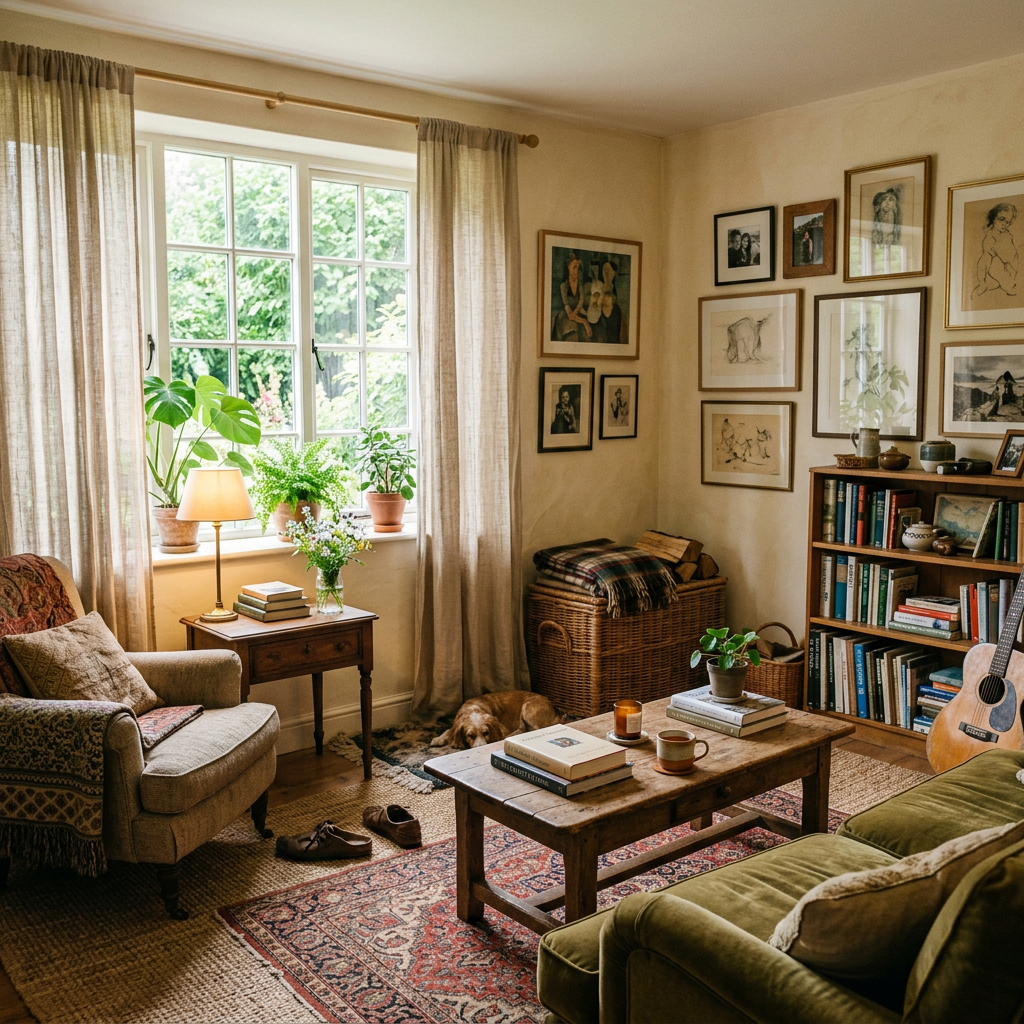
Layering is one of those design ideas that sounds complicated, but it really isn’t. It’s simply combining color, texture, pattern, lighting, fabric, natural materials, and personal pieces to add depth and personality to a room. It’s what makes a beautifully furnished room feel like a home.
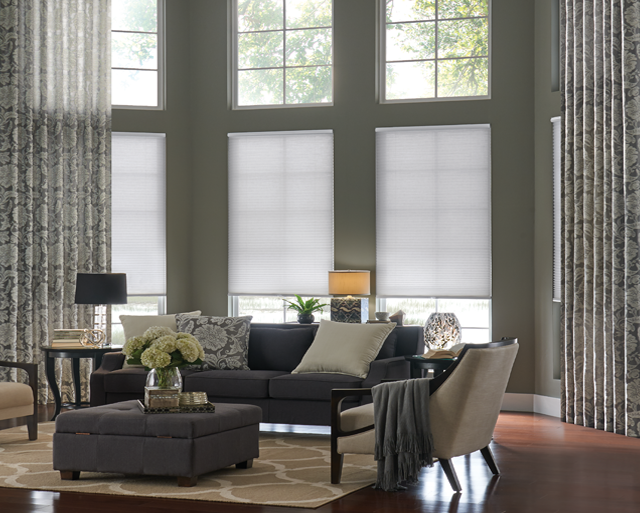
Start With What You Already Have
Before you go shopping, take a good look around the room.
What do you already love? Maybe it’s the color of your sofa, an antique table, a favorite piece of artwork, or a rug you’ve had for years. Those pieces can become the foundation, and everything else can build from there.
I always tell people that a room doesn’t need to be filled with new things to feel new. Sometimes moving a lamp, pulling a chair away from the wall, adding a throw, or bringing something in from another room is enough to start seeing the space differently.
Texture May Be What’s Missing
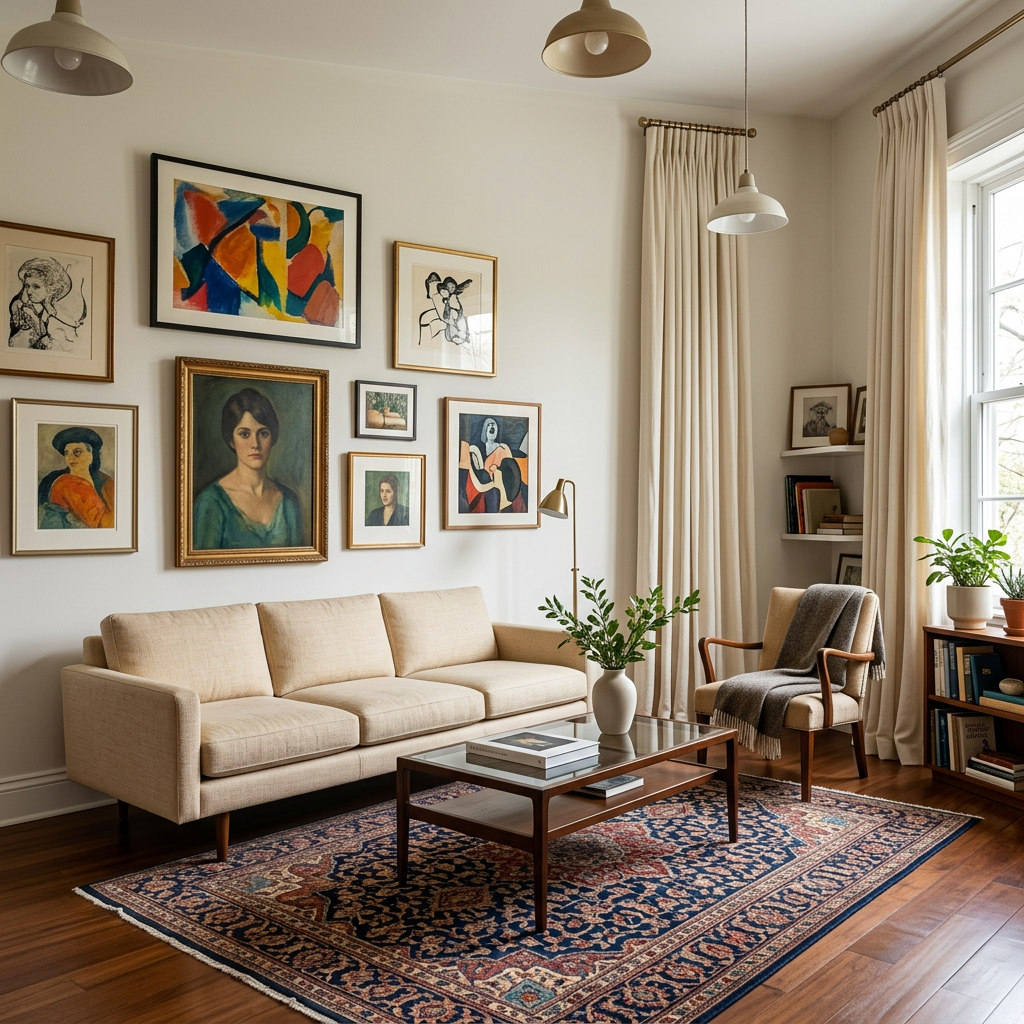
One of the easiest ways to make a room feel more interesting is to mix textures.
Think about the difference between a room filled entirely with smooth surfaces and one that combines soft linen, warm wood, woven materials, glass, metal, and a cozy rug. Even when everything is in a similar color palette, those different textures give your eye somewhere to go.
This is especially helpful if you love neutrals. A neutral room doesn’t have to be boring. In fact, some of the most beautiful neutral spaces I’ve seen have very little color—they’re interesting because of the layers.
A woven basket next to a linen chair. A chunky throw over a smooth leather sofa. Wood against stone. Drapery next to a woven shade.
Contrast makes each piece more beautiful.
Everything Doesn’t Have to Match
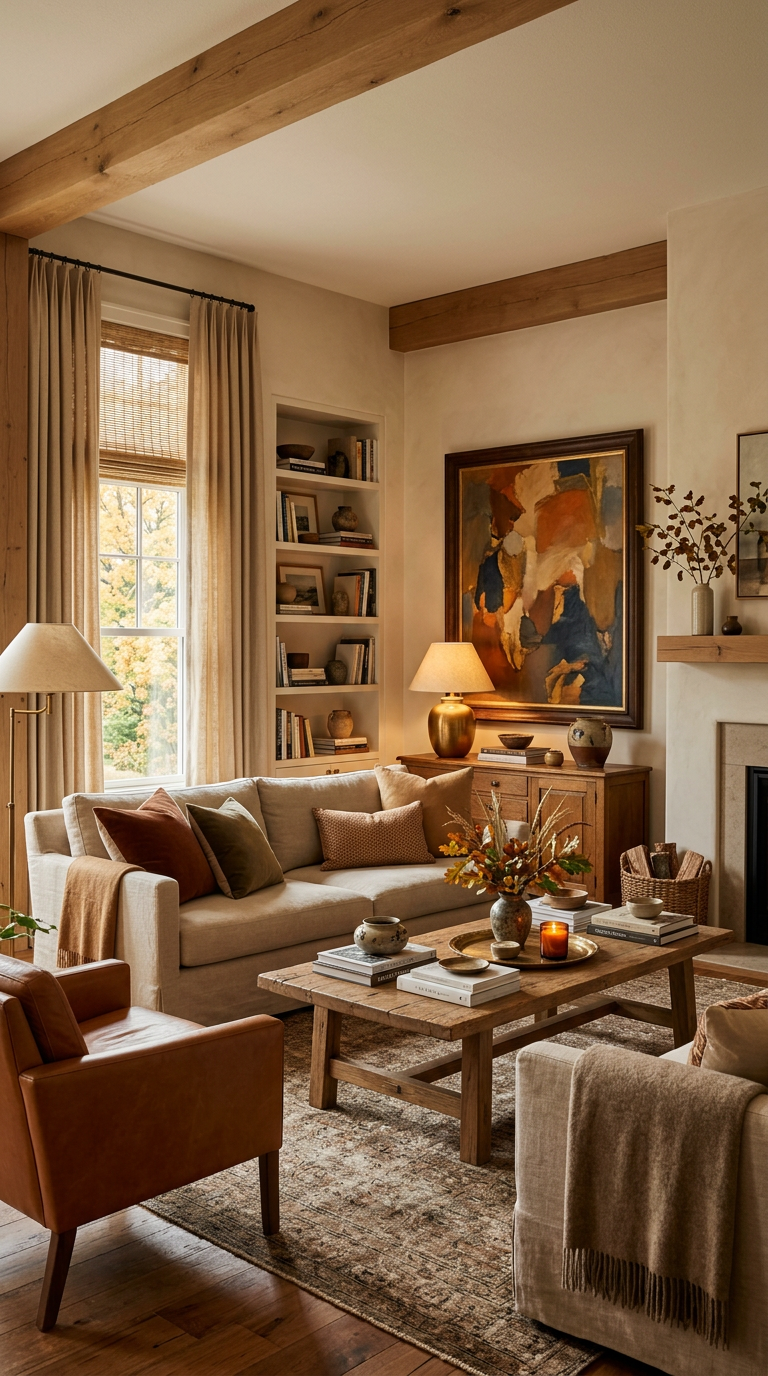
This may be one of the most important things I’ve learned as a designer: a room usually feels more interesting when everything isn’t perfectly matched.
Your end tables don’t have to be identical. Not every wood tone needs to match. Your pillows don’t need to match your rug exactly, and your window treatments don’t have to disappear into the wall color.
Instead, look for things that relate to one another.
Maybe a warm tone in the rug shows up again in a pillow. A black metal lamp relates to the hardware across the room. A woven shade picks up the warmth of a wood table.
Those little connections make a room feel intentional without feeling overly decorated.
Don’t Forget the Windows
Windows are often one of the largest design elements in a room, yet they’re sometimes the last thing people think about.
This is where layering can make an enormous difference.
A beautiful shade may provide privacy and light control, but adding drapery can bring softness, movement, color, and texture to the entire room. Woven woods paired with fabric are one of my favorite combinations because they combine the shade’s natural texture with drapery’s softness.
And layering isn’t only about appearance. It can also give you more control over light, privacy, and how cozy a room feels as our Minnesota weather starts to cool.
The best window treatments should look like they belong to the room—not like they were added afterward.
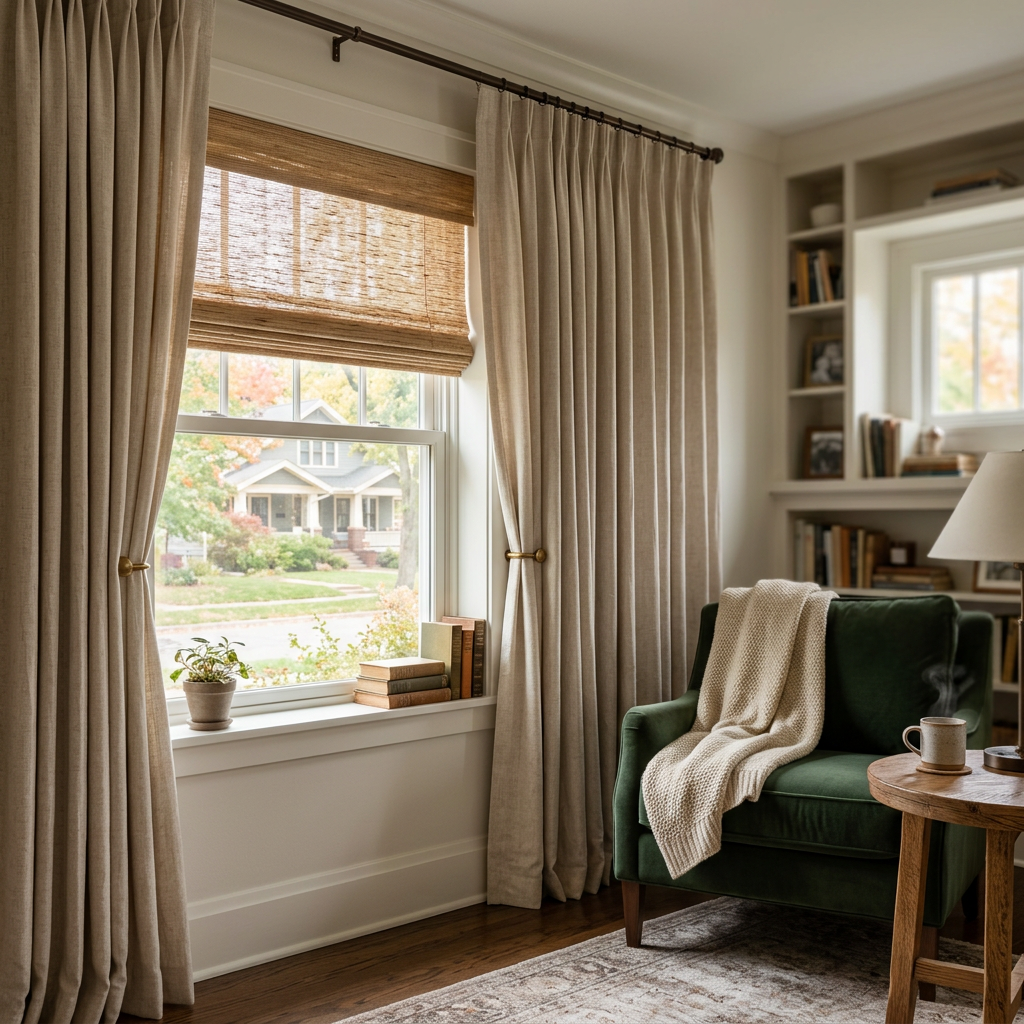
Lighting Is a Layer Too
You can have a beautifully decorated room and still have it feel wrong if the lighting isn’t right.
Overhead lighting has its place, but I rarely want it to do all the work. Table lamps, floor lamps, and accent lighting create pools of light at different heights, which immediately make a room feel warmer and more inviting.
As our days get shorter here in the St. Croix Valley, I notice this even more. Turning on a couple of lamps in the evening instead of one bright overhead fixture can completely change a room’s mood.
And yes, I’m a big believer in candles too.
Add Something That Tells Your Story
This may be my favorite layer of all.
The most memorable homes aren’t the ones where everything looks like it came from the same showroom. They’re the ones that tell you something about the people who live there.
Family photographs. Something you brought home from a trip. Your grandmother’s bowl. A stack of books you actually read. A piece of art you fell in love with for no particular reason.
Those things don’t have to follow a decorating rule.
They belong because they’re yours.
Know When to Stop
Layering doesn’t mean adding things until every surface is full.
In fact, editing is just as important as adding. Your eye needs places to rest, and sometimes removing one thing makes everything around it look better.
If a room starts feeling busy, take something away and live with it for a day or two. I do this all the time. Decorating isn’t always about finding what else a room needs—sometimes it’s figuring out what it doesn’t.
The Finishing Touch
When a room feels finished, you probably won’t walk in and immediately notice the rug, the lamp, the drapery or the basket in the corner.
You’ll notice how the room feels.
Warm. Comfortable. Interesting. Personal.
That’s the beauty of layering. No single piece has to be the star. Everything simply works together to create a space that feels collected rather than decorated.
And after all my years in design, I still think a home is at its very best when it doesn’t look like someone designed it.
It simply looks like you live beautifully there.
Until next month…
Here’s to loving where you live.
— Pamela

